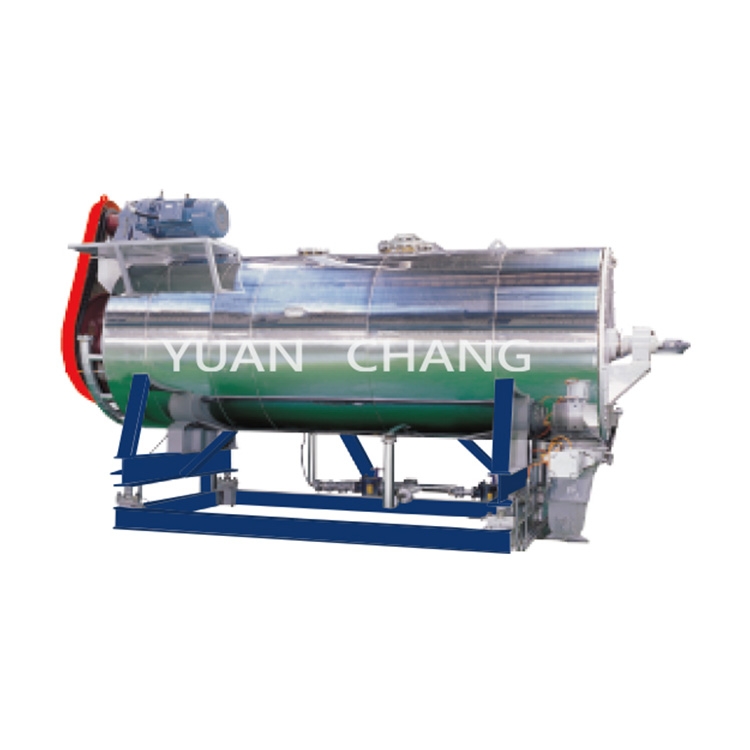
Vacuum evaporator concentrator equipment (GCV-1500)
Type: GCV-1500 Vacuum evaporator (for large-scale usage in treatment plants)
Processing plants:
Large-scale use
Key Equipment and Functions:
Waste Liquid Holding Tank: Temporarily stores waste liquid for further processing.
Reactor with Agitator and Motor: The reactor features a jacketed evaporation chamber with an agitator to ensure uniform heating of materials.
Condenser: Cools extracted gases into condensate for discharge.
Vacuum Pump: Reduces pressure in the reactor by extracting evaporated gases, lowering the boiling point.
Cooling Tower: Supplies chilled water to the condenser for gas cooling.
Scrubber Tower: Removes exhaust gases, dust, and odors.
Material Holding Tank: Collects and stores concentrated materials.
Control System: PLC-based human-machine interface (HMI) enables automated operation, reducing manual labor and costs, advancing towards AI-driven industrial intelligence.
Steam Boiler and Auxiliary Equipment.
Design and Application Features:
Evaporation Unit: Jacketed heating chamber equipped with an agitator.
Evaporation Method: Vacuum (negative pressure) reduces the boiling point to accelerate evaporation.
Vacuum System: Water-sealed vacuum pump creates negative pressure in the concentration tank, lowering the evaporation temperature.
Heating Method: Steam heating through both the jacket and agitator.
Low-Temperature Evaporation: Operates at 52°C–73°C for energy-efficient evaporation.
Vacuum Evaporation Mode: Low operating cost with significant COD reduction.
Processing Capability: Handles raw liquid evaporation and concentration, with optional crystallization and drying.
Concentration Standards: Achieves high solid content (60% or above) or crystallization.
Cleaning System: Removes attached impurities for efficient maintenance.
Condensate & Exhaust Treatment: Ensures discharge meets pollution-free standards.
Fully Automated, Stable Discharge: Supports ‘zero discharge’ green and sustainable operation.
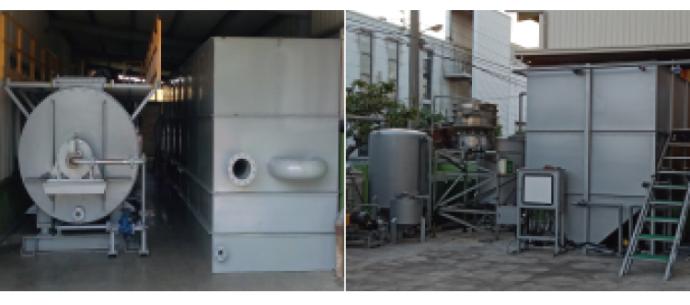
Machine outline diagram
Standard specifications (Contact for customized)
| Spec.(Model) | 1500 |
| Capacity (kg/hr) |
1500 |
| Daily capacity (Ton/8hr) |
12 |
|
24-hour capacity (TON/24hr)
|
36 |
| Steamconsumption of removing water (kg/kg) |
1.0~1.2 |
| Evaporation temperature (°C) |
0.06~0.1
|
| Vacuum degree (mmHG) |
(-650) ~ (-500) |
| Evaporation temperature (°C) |
52 ~ 73 |
Remarks:
- The amount of treatment varies with different oil quality and oil concentration.
- The above specifications The company reserves the right to design changes.
- Please ask for the actual installation dimension drawing before ordering.
Working Principle:
-
The evaporator features a double-layer cylindrical shell with an internally rotating agitator. Steam is used to heat both the jacket and the agitator shaft, enabling evaporation and concentration. A vacuum system reduces pressure, lowering the boiling point to accelerate the evaporation process.
-
The heating temperature must exceed 120°C, with an agitator shaft speed of 5–7 RPM. The required steam supply pressure is at least 3 kg/cm², and the evaporation process consumes approximately 900–1200 kg of steam per ton of waste liquid.
-
This machine features a sealed design to prevent the leakage of waste liquid and odors. The equipment undergoes pressure safety testing, and the exterior is covered with insulation material to isolate high temperatures and minimize heat energy loss.
-
After concentration, the material undergoes crystallization and drying. Once dried, the material can be discharged through the agitator blades.
-
The evaporator utilizes load cells for precise and practical measurement control.
-
This system is controlled by a PLC program, with an HMI panel display for easy operation. It offers flexible options for standalone or full-system function adjustments, making it user-friendly and easy to learn.
Processing flow chart (for reference only):

Crystallization & Drying Conditions (For Reference Only):
This system is particularly suitable for evaporation and concentration processes in industries dealing with scaling-prone, crystalline, heat-sensitive (low-temperature), high-concentration, high-viscosity materials, as well as those containing insoluble solids. It is widely applied in chemical, food, pharmaceutical, environmental engineering, and waste liquid evaporation & recovery industries.
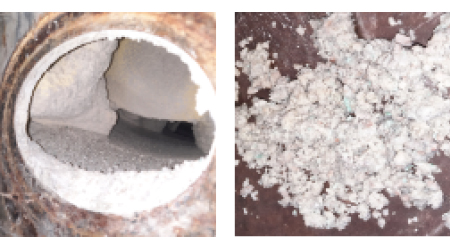
Evaporation Technology for Industrial Waste Liquid Concentration and Reduction:
During machining processes, various impurities are generated, including metal ions from tool wear, metal chips, waste oil, rust inhibitors, dust, and lathe lubricants. The combination of high temperatures and chemically active metal impurities can degrade the cutting fluid, ultimately affecting its stability and usability. Evaporation concentration technology separates solids from liquids by heating the waste liquid into vapor and then condensing the vapor back into liquid. Since industrial waste liquids often contain a high percentage of water, removing this water through evaporation significantly reduces the volume of waste that requires further treatment. Additionally, the concentrated waste liquid can be recovered and reused.
Industrial Waste Liquid Evaporation, Concentration, Reduction, and Recycling Equipment:
The key to evaporation technology is integrating a heat pump system, which provides multiple times the heating capacity per unit of electricity consumed. The vacuum pump creates negative pressure, lowering the evaporation temperature, allowing the system to evaporate and condense water with minimal power consumption. The evaporated water can then be treated and recycled back into the manufacturing process, achieving zero liquid discharge within the factory. By applying vacuum evaporation and condensation technology, industries can reduce waste treatment costs while meeting both environmental and economic goals. The evaporation equipment is characterized by its low carbon footprint, energy efficiency, environmental friendliness, and cost-effectiveness. Besides cutting fluid waste reduction, it is also used in treating industrial wastewater from dyeing and printing, electroplating, saline wastewater, power plants, chemical plants, steel mills, coking plants, and traditional Chinese medicine concentration processes.
Advantages of Low-Temperature Evaporation and Concentration:
Operates at low evaporation temperatures, minimizing scale formation and ensuring high-quality treated water.
Fully automated system, requiring no manual operation.
No need for flocculation before evaporation or biochemical treatment after evaporation, simplifying the wastewater treatment process.
Requires only industrial electricity or auxiliary systems such as steam boilers.
The low-temperature heat pump technology is based on industrial air conditioning principles, ensuring reliability and low maintenance costs.
Features of Low-Temperature Evaporation and Concentration:
Fully automated operation using low-temperature vacuum evaporation.
Innovative vacuum evaporation technology ensures low operating costs.
High-efficiency scroll-type refrigerant compressor.
Utilizes a safe and powerful water-sealed vacuum pump to extract vapor.
Automatically stabilizes discharged water quality, promoting zero discharge and green environmental protection.
Significant Reduction of Waste Liquid Discharge and Production Cost Efficiency:
In the past, factories outsourced waste liquid disposal to waste treatment companies. Today, by adopting waste liquid evaporation and reduction equipment manufactured by Yuan-Chang, factories can significantly reduce waste liquid volume while recovering and reusing concentrated refined waste liquid. This leads to substantial cost savings and a reduction in outsourcing treatment expenses.
Total usages:
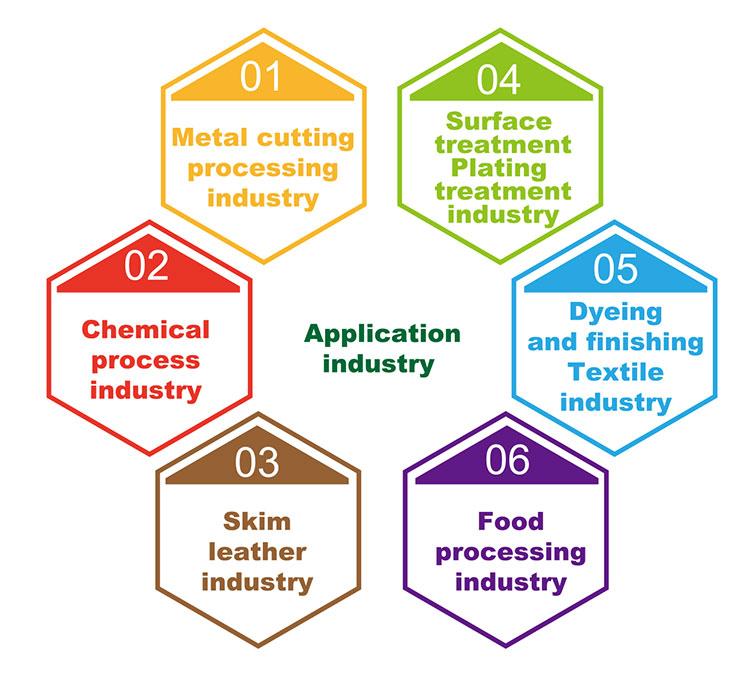
Metal processing cutting oil and water waste liquid concentration reduction.
Surface treatment, electroplating wastewater waste liquid concentration reduction.
Degreasing, leather industry, dyeing and finishing industry waste liquid concentration reduction.
Water-soluble paint, varnish washing, dampening water waste liquid concentration reduction.
Concentration of food processing waste liquid, chemical wastewater, and papermaking wastewater.
Inorganic and organic wastewater of organic pollutants and mixed wastewater containing inorganic substances.